
WELCOME TO OUR fish Care guide!
🐠 Fish Care Guide – S&H Aquatics
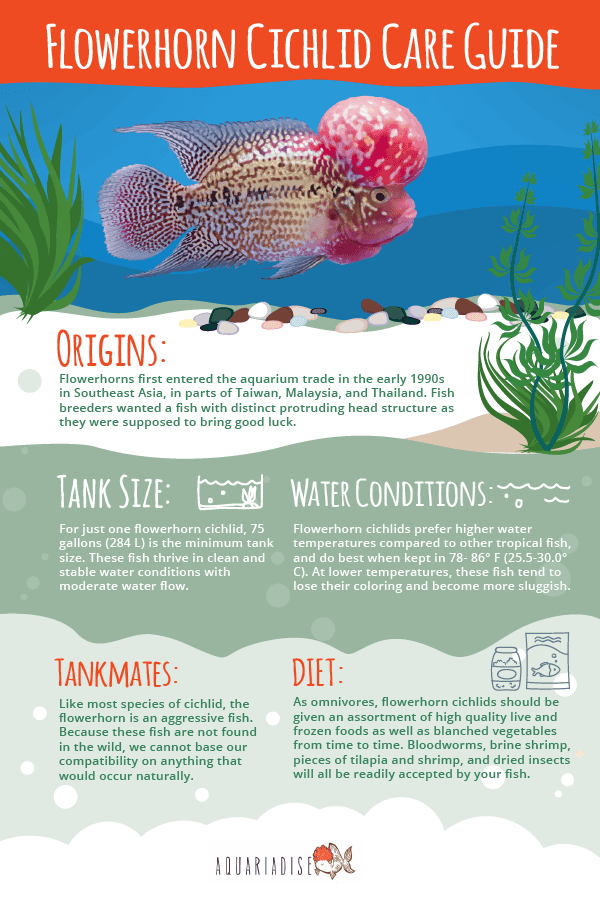
At S&H Aquatics, we want every fish to thrive in its new home. Proper care, stable water conditions, and a suitable environment are essential for long-term health and happiness. This guide covers the basics of caring for most tropical freshwater fish, including species like Flowerhorns and other aquarium fish.
Aquarium Setup
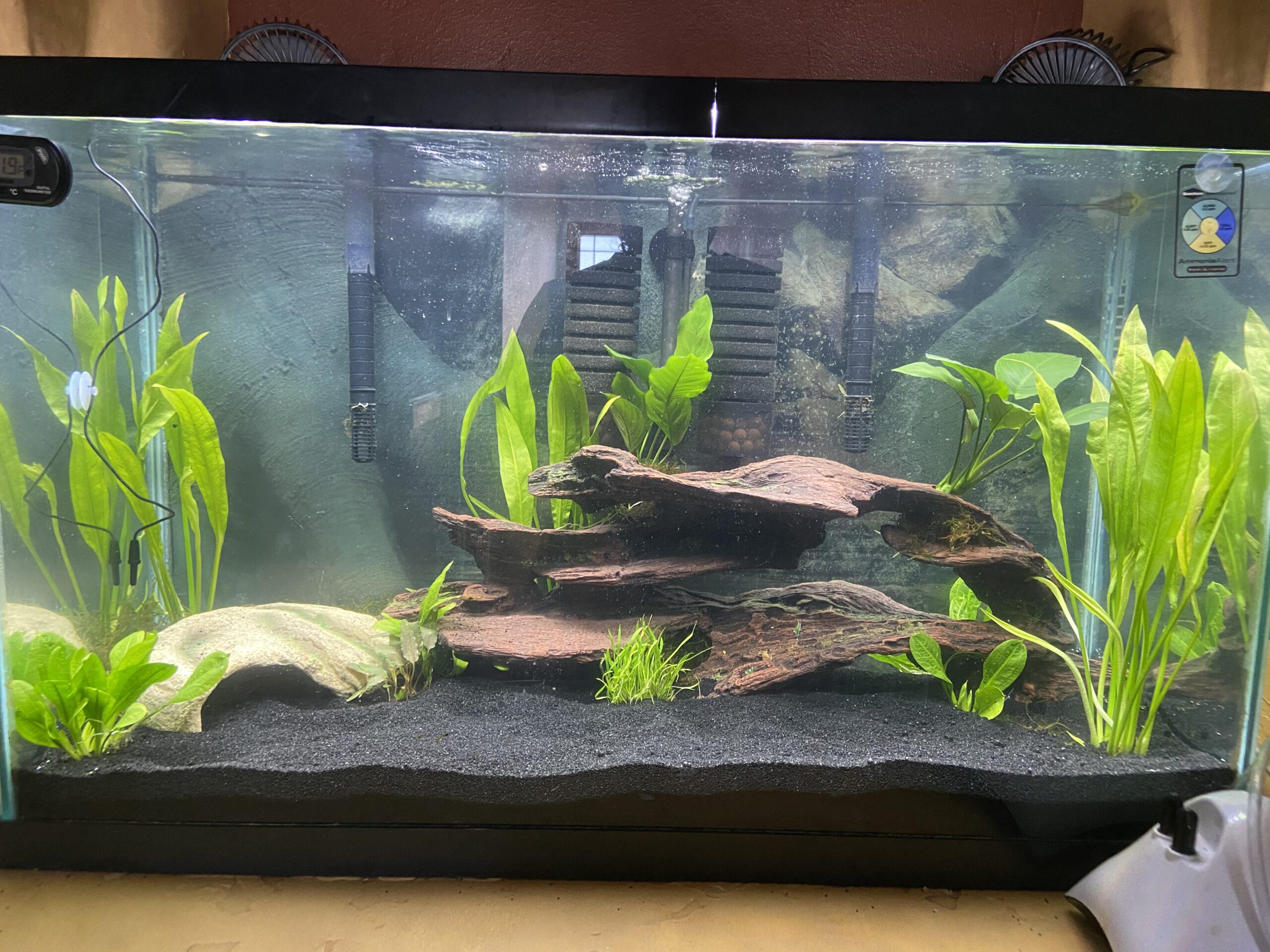
A properly cycled aquarium is essential before introducing any fish.
- Always cycle your tank before adding fish (3–6 weeks recommended)
- Use a reliable filter to maintain clean, oxygenated water
- Avoid strong currents for calmer species
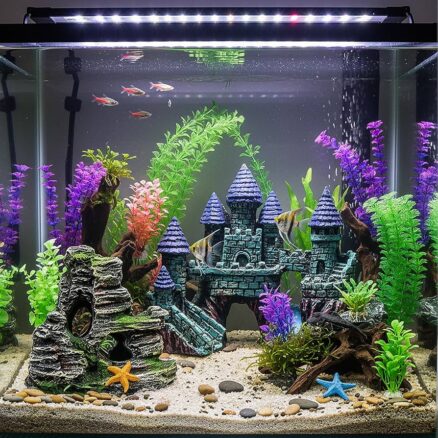
- Provide hiding spaces using rocks, plants, or decorations
- Ensure your tank is fully stable before adding livestock
🌡️ Water Conditions
Stable water quality is the most important factor in fish health.
- Temperature: 75°F – 86°F (varies by species)
- pH level: 6.5 – 7.8 (most tropical fish)
- Ammonia/Nitrite: 0 ppm (must always be zero)
- Nitrate: Keep as low as possible (<40 ppm)
Regular water testing is highly recommended.
🍽️ Feeding
Fish require a balanced and species-appropriate diet.
- High-quality pellets or flakes (daily staple)
- Frozen or live foods (bloodworms, brine shrimp, etc.)
- Feed small amounts 1–2 times per day
- Avoid overfeeding (this is one of the most common mistakes)
Remove uneaten food to maintain water quality.
🧼 Tank Maintenance
Routine maintenance ensures long-term fish health:
- Perform 20–30% water changes weekly
- Clean filter media monthly (use tank water, not tap water)
- Remove waste and debris regularly
- Monitor water parameters weekly

🐟 Compatibility
Not all fish can live together peacefully.
- Aggressive species (like Flowerhorns) should be kept alone
- Avoid mixing incompatible temperaments
- Research tank mates before combining species
- Provide enough space to reduce territorial behavior
⚠️ Common Mistakes to Avoid
- Adding fish to an uncycled tank
- Overfeeding
- Poor filtration or small tank size
- Ignoring water testing
- Mixing aggressive and peaceful species
💡 Signs of a Healthy Fish
- Active swimming and alert behavior
- Bright, stable coloration
- Healthy appetite
- Clear eyes and fins
- No visible stress marks or damage