
WELCOME TO OUR care Guide!
Axolotl Care Guide
Everything you need to keep your axolotl healthy, happy, and thriving.
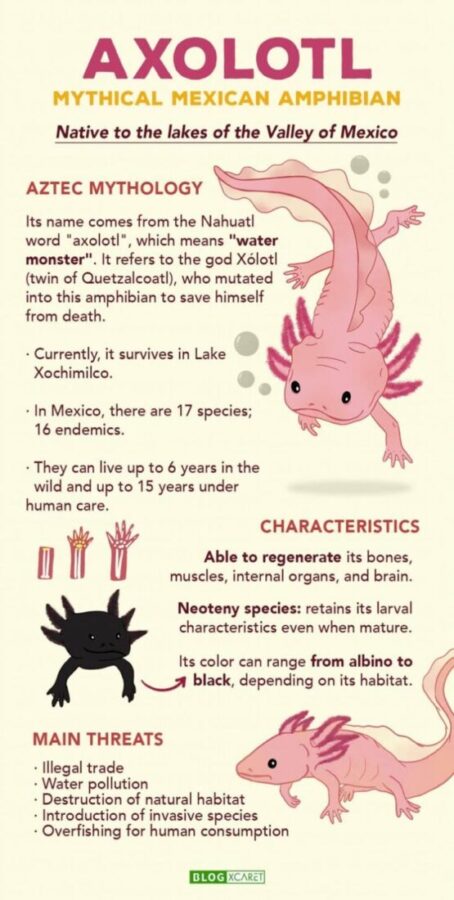
About Axolotls
Axolotls are unique aquatic amphibians known for their feathery gills and ability to regenerate limbs. They remain fully aquatic their entire lives and require specific care to thrive in captivity.
- Lifespan: 10–15 years
- Size: 8–12 inches fully grown
- Temperament: Calm, solitary
- Difficulty: Beginner-friendly (with proper setup)
Signs of a Healthy Axolotl
✔ Fluffy, full gills
✔ Active (especially at night)
✔ Good appetite
✔ Smooth skin, no lesions
Common Mistakes to Avoid
❌ Uncycled tanks
❌ High water temperatures
❌ Strong filter flow
❌ Gravel substrate
❌ Overfeeding
Pro Tips from S&H Aquatics
- Keep water cool and clean—this is the #1 priority
- Feed high-quality live or frozen foods for best growth
- Keep stress low with hides and gentle water flow
- Stability matters more than perfection
Filtration & Oxygen
- Use a sponge filter or low-flow filter
- Avoid strong currents (they stress axolotls)
- Use an air stone or aerator for oxygen
Substrate (Tank Bottom)
- Best: Bare bottom or fine sand
- Avoid: Gravel or small rocks (can cause deadly impaction)
Lighting
- Low light preferred
- Avoid bright aquarium lights
- Provide hiding spots to reduce stress
Tank Setup
Tank Size
- Minimum: 20 gallons for one axolotl
- Add 10 gallons per additional axolotl
Water Conditions
- Temperature: 60–68°F (ideal: ~64°F)
- pH: 6.5–8.0
- Ammonia: 0 ppm
- Nitrite: 0 ppm
- Nitrate: <20 ppm
⚠️ Axolotls are extremely sensitive to poor water quality—cycling your tank is essential before adding them.
Feeding
Juveniles (under 3 months)
- Live baby brine shrimp
- Feed 1–2 times daily
Growing Axolotls
- Bloodworms
- Blackworms
- Small pellets
Adults
- Earthworms (best staple diet)
- Axolotl pellets
💡 Remove uneaten food to keep water clean.
Tank Maintenance
- Weekly: 20–30% water change
- Always use a water conditioner
- Test water regularly using a test kit